Food Dive reported the development on 2025-08-06. Varying restrictions add more confusion for food companies already struggling with slowing sales.
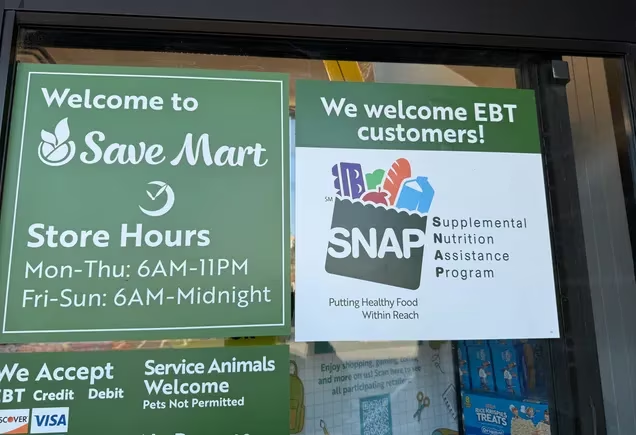
The report places the news in a wider commercial context. The Trump administration approved requests from another six states to prevent consumers from using food assistance benefits to buy soda, candy or other sugary snacks and beverages. The USDA signed off on state waivers from West Virginia, Florida, Colorado, Louisiana, Oklahoma and Texas to amend the list of products that can be purchased using the Supplemental Nutrition Assistance Program.
For the food sector, the practical implications extend beyond the immediate announcement. Twelve states have now received approval to restrict benefits, with bans set to commence next year. The Department of Health and Human Services said the waivers aim to end the "subsidization of popular types of junk food.". SNAP consumers make up nearly a quarter of spending in the packaged foods industry, according to Numerator, and new restrictions stand to further.
Attention now turns to how companies, customers and regulators respond. Restrictions on benefits also vary by state, adding to the confusion for the food industry. Some states are only banning sodas, while others are targeting energy drinks and candy. Florida is so far the only state to restrict SNAP purchases of prepared desserts. Adding to the complications, state bans also have different definitions for what's considered candy or sugary drinks.
Food Dive
https://www.fooddive.com/news/states-ban-soda-candy-food-stamps-snap/756931/This report is prepared from the public source listed above for news and industry-information purposes. Original research, text, trademarks and images remain with their authors and rights holders; open material is used under the licence identified by its source. Rights holders may contact rights@asiafoodtimes.com with evidence of ownership, and verified concerns will be corrected or removed promptly. This article is not investment, legal, medical or nutrition advice.