Packaging Dive reported the development on 2026-01-06. Virgin and rPET bottles in Michigan and California leached additives and hazardous chemicals, per a study funded by the Alliance for Mission-Based Recycling. It’s the latest research to raise questions about plastic packaging.
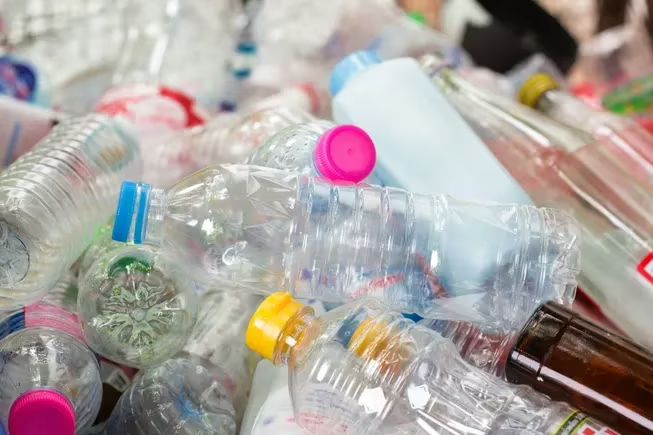
The report places the news in a wider commercial context. PET bottles — both virgin and recycled — contain a dozen leachable plastic additives and at least a dozen more hazardous chemicals that were not intentionally added, according to a small study published in late 2025. The findings add to a growing body of research on chemical leaching from plastics and come as new rules requiring recycled material boost demand for recycled PET.
For the food sector, the practical implications extend beyond the immediate announcement. The study was also conducted by researchers from Toronto Metropolitan University, the Ecology Center and Wayne State University. It was co-designed and funded by the Alliance for Mission-Based Recycling, or AMBR, and Defend Our Health, an environmental health advocacy group.
Attention now turns to how companies, customers and regulators respond. The analysis looked at the chemical differences between virgin and recycled polyethylene terephthalate — widely used in bottles — in 26 products, including 10 soda and water bottles purchased in California and eight from Michigan, which is where the Ecology Center and Wayne State are based.
Packaging Dive
https://www.packagingdive.com/news/plastic-health-virgin-recycled-pet-bottles-california-michigan/808669/This report is prepared from the public source listed above for news and industry-information purposes. Original research, text, trademarks and images remain with their authors and rights holders; open material is used under the licence identified by its source. Rights holders may contact rights@asiafoodtimes.com with evidence of ownership, and verified concerns will be corrected or removed promptly. This article is not investment, legal, medical or nutrition advice.