Packaging Dive reported the development on 2024-12-17. Event organizers said their installation and promotion of free drinking fountains paid off. Oceana celebrated and critiqued the efforts, saying future Games’ reuse systems should not feature single-use plastic at all.
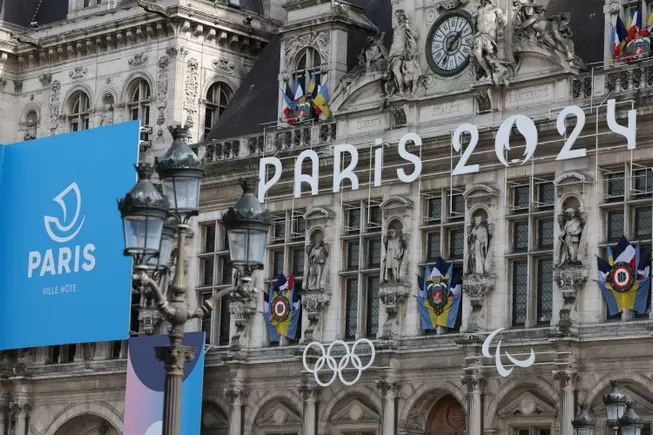
The report places the news in a wider commercial context. The Paris 2024 Olympic and Paralympic Games reported in a recent sustainability review that this year’s events resulted in less single-use plastic consumption than previous years. Organizers sought to implement a new drinks distribution model involving drinking fountains and returnable bottles.
For the food sector, the practical implications extend beyond the immediate announcement. There was 52% less single-use plastic (by weight) used in the supply of drinks, and specifically a 70% reduction in the number of single-use plastic bottles used to serve beverages, at the 2024 events compared with London 2012. The report said the 70% figure factored in a lower volume of beverages served in Paris versus London.
Attention now turns to how companies, customers and regulators respond. As for overall waste, organizers reported that nearly 79% of waste from operations was “recovered or avoided.”. Paris 2024’s efforts to minimize waste involved training employees and service providers and harmonizing signage to improve sorting.
Packaging Dive
https://www.packagingdive.com/news/paris-olympics-plastic-reuse-sustainability-results/735732/This report is prepared from the public source listed above for news and industry-information purposes. Original research, text, trademarks and images remain with their authors and rights holders; open material is used under the licence identified by its source. Rights holders may contact rights@asiafoodtimes.com with evidence of ownership, and verified concerns will be corrected or removed promptly. This article is not investment, legal, medical or nutrition advice.